
If you've started shopping for a quarter, half, or whole cow, you've probably run into a confusing pair of numbers: hanging weight and take-home weight. They're not the same — and if nobody explains the difference, it's easy to feel shortchanged when the boxes of beef that arrive weigh less than the number you saw at the start.
At Whole Cow, we're a family raising cattle in Texas, and we'd rather you understand exactly what you're paying for than be surprised at pickup. So let's clear this up plainly, with real numbers, no jargon.
The short version
- Hanging weight is the weight of the beef carcass before it's cut, trimmed, and packaged.
- Take-home weight is what you actually carry home after the butcher removes bone, excess fat, and trim.
- Your take-home weight is normally about 60–65% of the hanging weight — and that's completely normal.
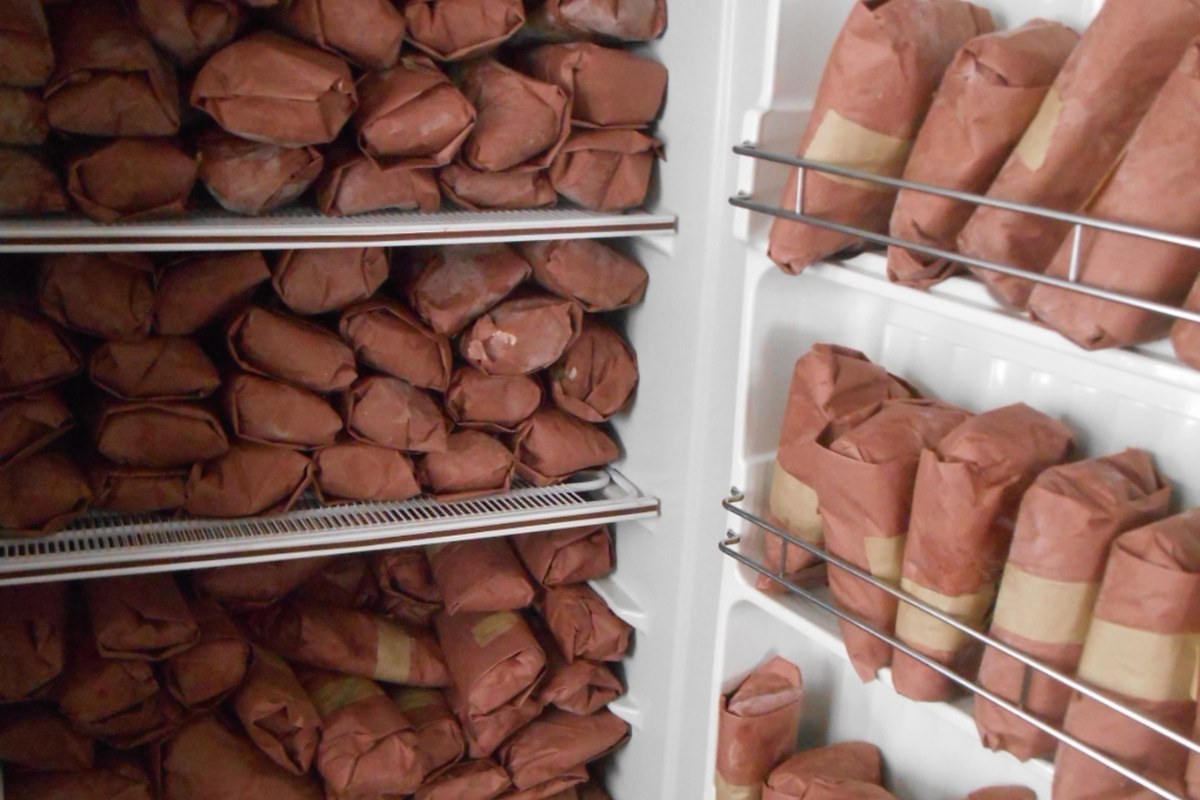
Nothing is missing or lost from your order. That drop is just the difference between a whole side of beef on the rail and the neat, freezer-ready packages of steaks, roasts, and ground beef you actually eat.
The three weights, from the pasture to your freezer
There are really three numbers in the life of a beef animal. Knowing all three makes the whole process click:
| Weight | What it means | Rough amount |
|---|---|---|
| Live weight | The animal's full weight on the hoof | ~1,200 lbs |
| Hanging weight | The carcass after harvest, before cutting | ~740–760 lbs (~62% of live) |
| Take-home weight | Your packaged, freezer-ready beef | ~450–490 lbs (~60–65% of hanging) |
(These are typical industry figures for a finished beef animal; every animal is a little different.)
So a steer that lives at around 1,200 pounds hangs at roughly 750 pounds, and yields somewhere near 460–490 pounds of packaged beef. That's the journey your quarter, half, or whole share takes.
Why take-home weight is less than hanging weight
This is the part that surprises people, so here's exactly where the difference goes. When a hanging carcass is broken down into the cuts you actually cook, some of that weight is naturally removed:
- Bone — T-bones, ribeye bones, and soup bones aside, most bone is trimmed out
- Excess fat — trimmed to the thickness you prefer on your steaks and roasts
- Trim and shrinkage — small losses during aging and cutting
None of this is beef you'd want in your freezer anyway. What's left is the good part: the steaks, roasts, and ground beef your family will actually eat. A lower take-home number simply means you're getting a cleaner, better-trimmed product.
How this affects what you pay
This matters because custom beef is often priced by hanging weight, not take-home weight. That can make the price-per-pound look lower than it really is once you factor in cutting losses. It's a common source of sticker shock with other sellers.
We keep it simpler. With Whole Cow, you reserve your share with a deposit, and we weigh and confirm your total before delivery — so you always know what you're getting and what you're paying before anything ships. No guessing off a hanging-weight number, no surprises at the door.
A quick example
Say you buy a quarter cow. Here's roughly how the numbers flow:
- Your share of the hanging weight: ~185 lbs
- After bone, fat, and trim are removed: ~100–130 lbs of take-home beef
That 100–130 pounds is enough to feed a family of four for about six to eight months. If you want the full cut-by-cut breakdown, we walk through it in our guide on how much meat is in a quarter cow.
The bottom line
Hanging weight tells you the size of the carcass. Take-home weight tells you what ends up in your freezer. The gap between them isn't lost beef — it's the bone, fat, and trim you wouldn't want anyway. Once you know that, the numbers stop being confusing and start making sense.
And because we confirm your final weight and total before delivery, you'll never have to do this math yourself to know what you're getting.
Ready to fill your freezer?
Now that the weights make sense, here's where to start:
- Quarter Cow: Black Angus · Fullblood Wagyu
- Half Cow: Black Angus · Fullblood Wagyu
- Not ready for a full share? Try a sample box first.
Have a question about weights, cuts, or what's right for your family? Reach out anytime — a real person from our family will walk you through it, with zero pressure.
Share:
Quarter Cow vs. Half Cow: Which Should You Buy?
Is Buying a Cow Worth It? The Real Cost Per Pound